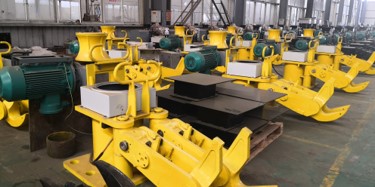
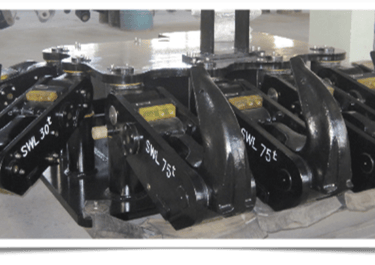
MARINE JETTY LOADING EQUIPMENT EXPERT WITH WORLD WIDE PROJECT EXPERIENCE

The Essentials of Cryogenic Design: Safety, Flexibility, and Compliance
C2C Technology Singapore partner with Shanghai Eminent to offer marine loading system, the most safety enabler, for loading operations combines advanced technology with robust engineering, ensuring seamless loading processes, enhanced safety, and optimized efficiency. Contact us @ +65 91275988
2/1/20264 min read
Understanding Cryogenic Design
Cryogenic design is a specialized field of engineering that focuses on structures and systems that must function effectively under extremely low temperatures. This discipline is essential for a range of applications, from liquefied natural gas storage to aerospace propulsion systems. The fundamental principle of cryogenic design revolves around the unique physical properties of materials at cryogenic temperatures, particularly how these properties influence the selection and performance of materials used in construction.
One of the critical considerations in cryogenic design is material selection. For instance, high-nickel stainless steel is often preferred due to its exceptional resistance to brittle fracture and corrosion in severe cold conditions. Unlike standard steels, high-nickel stainless steels maintain their ductility and strength even when exposed to cryogenic temperatures. This quality is vital for structural components that face significant stresses during operation, where failure could lead to catastrophic events. The use of such materials ensures the longevity and reliability of equipment operating in these extreme environments.
In addition to material selection, engineering techniques play a crucial role in optimizing cryogenic systems. Design principles such as thermal insulation, expansion joints, and support systems must be carefully implemented to mitigate the effects of thermal contraction and stresses generated by temperature fluctuations. The incorporation of advanced modeling techniques enables engineers to predict the performance of cryogenic systems under various conditions, ensuring safety and compliance with industry standards.
Moreover, adherence to regulatory requirements is paramount in cryogenic design. Engineers must ensure that their designs meet applicable safety and environmental regulations, which vary across different regions and applications. Understanding these compliance aspects is vital for the successful realization of any cryogenic project.
Critical Safety Mechanisms in Cryogenic Systems
Cryogenic systems engage with substances at extremely low temperatures, which necessitates the implementation of robust safety mechanisms to mitigate risks associated with handling, transportation, and storage. Among the essential features of these systems are Emergency Release Systems (ERS) and Double Ball Valves (DBV), both contributing significantly to operational safety.
Emergency Release Systems play a crucial role in managing the potential hazards that arise in cryogenic environments. These systems are designed to enable rapid de-pressurization of cryogenic fluids under emergency conditions, such as equipment failure or an unexpected leak. By allowing for swift release, ERS minimizes the likelihood of catastrophic incidents, effectively safeguarding personnel and facilities. Their integration into cryogenic design is a testament to the commitment to safety and crisis management within numerous industries, including aerospace and medical sectors.
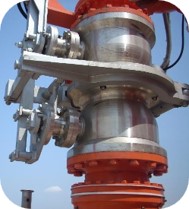
Double Ball Valves, on the other hand, serve as vital components in controlling the flow of cryogenic fluids. Featuring two separate ball valves, this mechanism provides a secondary barrier to leakage, offering enhanced protection during the operation's various phases. This redundancy ensures that, in the event of one valve failing, the second remains intact, significantly reducing risks associated with fluid spillage and exposure to extreme temperatures. The strategic application of DBVs in cryogenic installations helps in compliance with safety regulations and industry standards.
While these safety mechanisms significantly enhance operational safety, it is critical to recognize the potential risks inherent in cryogenic processes. Regular maintenance, monitoring, and adherence to operational guidelines can optimize the effectiveness of ERS and DBVs. Proper training also plays an instrumental role in ensuring that personnel are well-prepared to handle emergencies safely and effectively.
The Role of Swivel Joints in Cryogenic Applications
Swivel joints play a pivotal role in the functionality and efficiency of cryogenic systems, which demand high reliability under extreme conditions. One of the primary features of swivel joints is their oil-free, nitrogen-purged construction. This design element is crucial because traditional lubricants can freeze or degrade in cryogenic environments, leading to potential failure or reduced efficiency. By eliminating oil, these components mitigate the risks associated with lubricant contamination, ensuring seamless operation even at very low temperatures.
In addition to their construction, the sealing technologies utilized in swivel joints significantly enhance their performance. Advanced sealing mechanisms are imperative in cryogenic applications, where even minor leaks can result in considerable safety hazards and operational inefficiencies. The integrity of these joints is maintained through materials specifically engineered to withstand cryogenic temperatures and cycling loads, which ensures optimal sealing without sacrificing flexibility. The ability to maintain a tight seal at varying operational angles is essential for preventing leaks, making swivel joints indispensable in complex piping systems.
Moreover, these joints enhance operational flexibility. In systems that require movement and lateral flexibility due to thermal expansion or mechanical load shifts, swivel joints allow for smooth articulation without compromising the integrity of the system. Their ability to facilitate multiple directions of movement enables installation in compact spaces while still maintaining the necessary fluid dynamics essential for effective cooling and safe operation.
Ultimately, the integration of swivel joints into cryogenic designs not only enhances the system's effectiveness but also contributes to overall safety. The combination of innovative materials, design features, and advanced sealing technologies culminates in a reliable solution that addresses the unique challenges of cryogenic applications.
Compliance and Regulatory Standards in Cryogenic Engineering
In the realm of cryogenic engineering, adherence to compliance and regulatory standards is paramount in ensuring the safety and efficiency of cryogenic systems. Several key regulations and standards govern the design, installation, and operation of cryogenic facilities, ensuring that they not only meet safety requirements but also fulfill environmental protections. Among these, ISO 16904:2016 stands out as a critical standard. This international standard provides a comprehensive framework for the design, construction, and operational management of cryogenic tanks and associated facilities, emphasizing best practices in safety and reliability.
Another significant set of guidelines is provided by the Society of International Gas Tankers and Terminal Operators (SIGTTO). The SIGTTO guidelines focus on the safe and reliable handling of liquefied gases and promote best practices in the operation of floating storage units and small-scale facilities. These guidelines aim to foster a culture of safety and compliance across the industry, ensuring that operators are well-informed about potential hazards and operational risks associated with cryogenic environments.
Furthermore, the Oil Companies International Marine Forum (OCIMF) also offers recommendations that enhance safety and minimize risks within the maritime sector, specifically concerning the transport of liquefied natural gas (LNG) and other cryogenic substances. Their comprehensive safety management protocols are designed to assist companies in developing operational practices that comply with international norms while also promoting environmental protection measures.
Overall, compliance with these standards not only enhances the operational integrity of cryogenic systems but also contributes to a more sustainable and environmentally friendly approach within the field of cryogenic engineering. Adhering to these established guidelines positions organizations to better navigate regulatory landscapes, ultimately safeguarding personnel, equipment, and the environment.
Contacts
info@c2csingapore.com
+65 91275988
c2c eminent alliance
subscribe
“Excellence Evolved, Quality Resolved!”